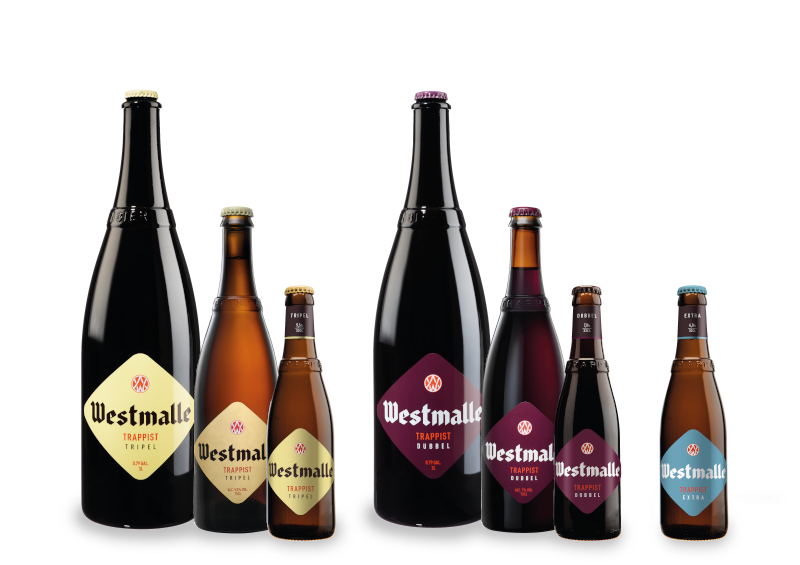
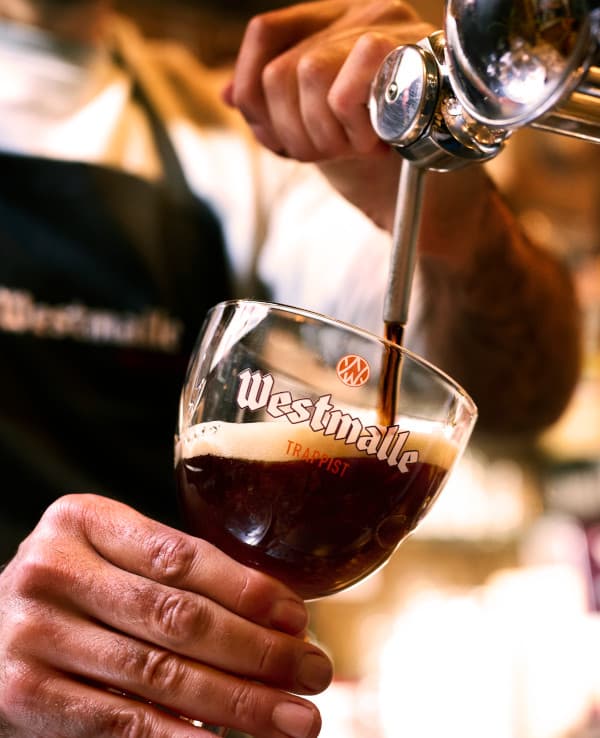

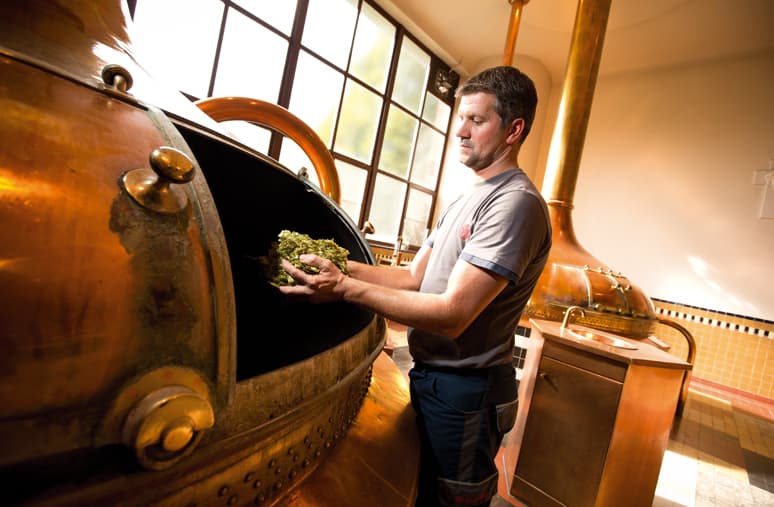
For almost 190 years now, the brewery at Westmalle Abbey has chosen to use only pure and unadulterated ingredients, namely water, malt, hops, sugar and yeast, and has been using them for all that time to produce beer that is 100% natural.
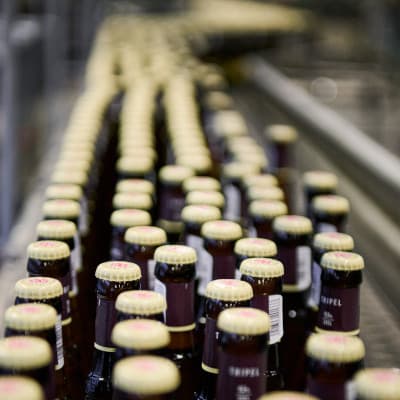
The Westmalle brewery produces 3 types of beer:
Westmalle Tripel
Westmalle Dubbel
Westmalle Extra
The abbey and brewery of Westmalle and their historical association with the Truyen beer merchants
“The abbey, the monks and their way of living have always been part of our family’s life, and we’re very grateful to them,” wrote my mother on our first website.
In the meantime, our family business is now being run by the fourth generation.
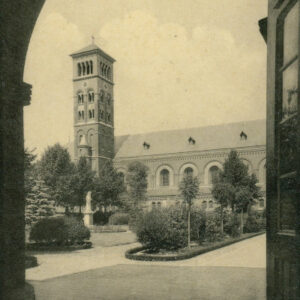
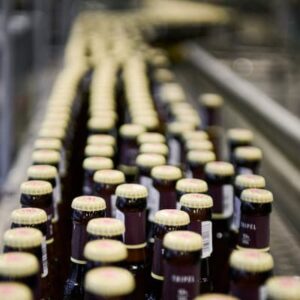
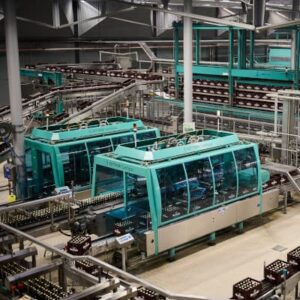
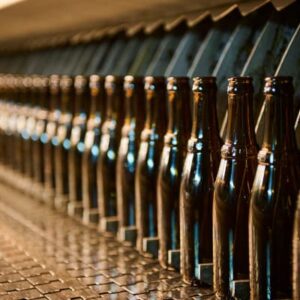
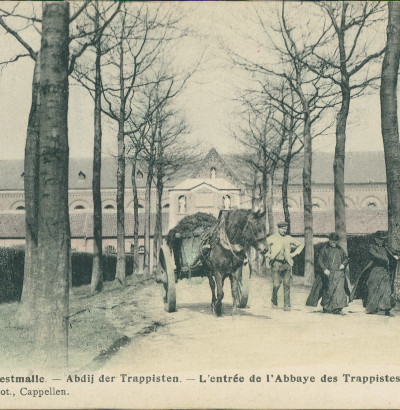
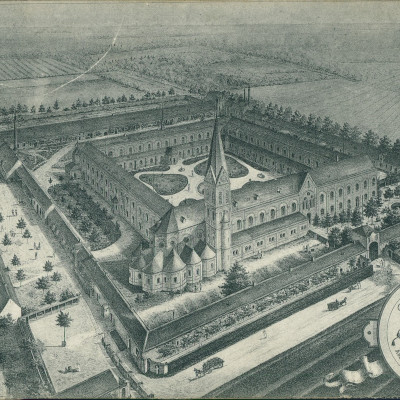
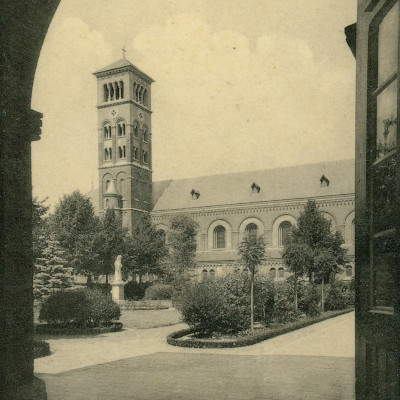
A rich history dating back many years
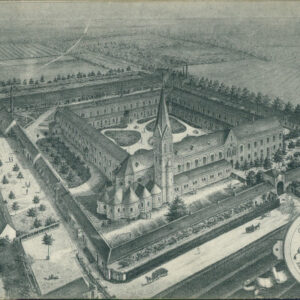
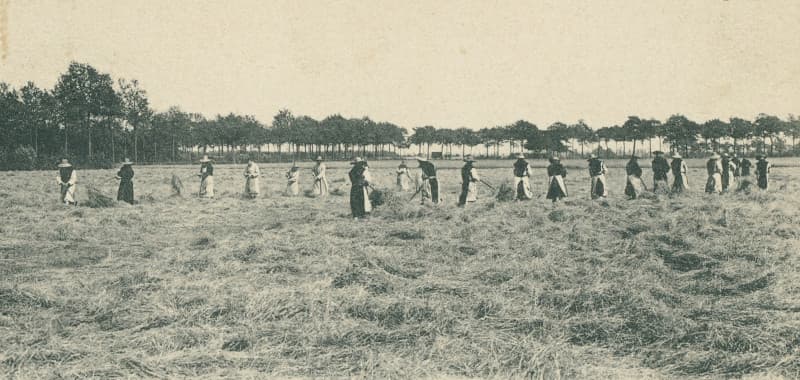
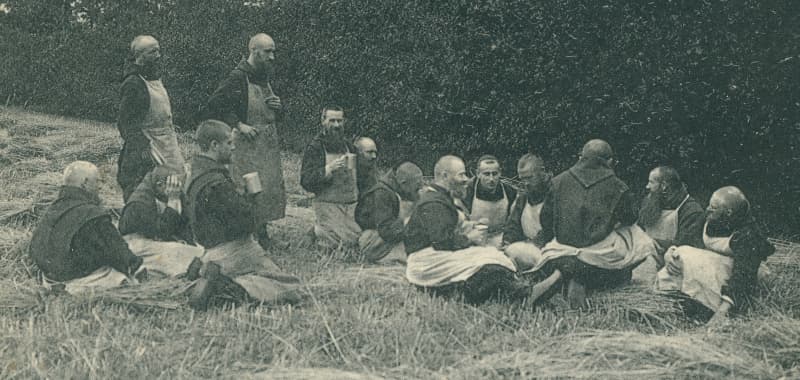
On 22 April 1836, the monastery was officially designated a Trappist abbey. From that point onwards, the monks were permitted to consume the local drink of the people with their meal. In Flanders, that drink is beer. With that in mind, the Abbot Martinus Dom began constructing a small brewery that same year. On 10 December 1836, the first home-brewed Trappist beer was served with the monks’ midday meal. For many years, the abbey only brewed beer for its own use.
From 1856 onwards, the monks would occasionally sell small quantities of beer at the gate and as the years went by, demand began to grow.
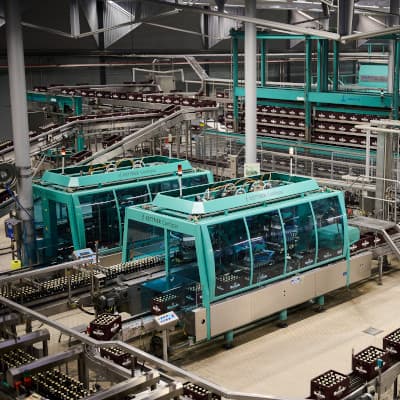
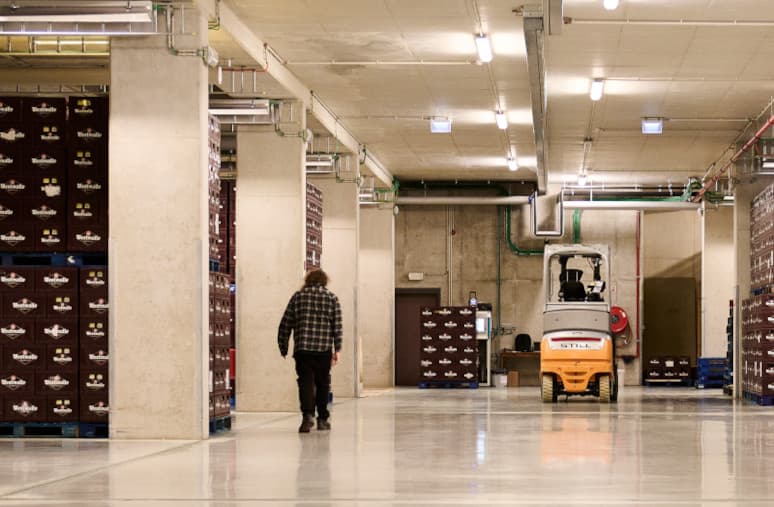
In 1921, the monks decided to sell their beer via beer merchants and sales therefore increased even more. In the early 1930s, they also added a new brewing hall, fermentation room and factory space. The bottling plant was modernised in 1956 and again in the year 2000.
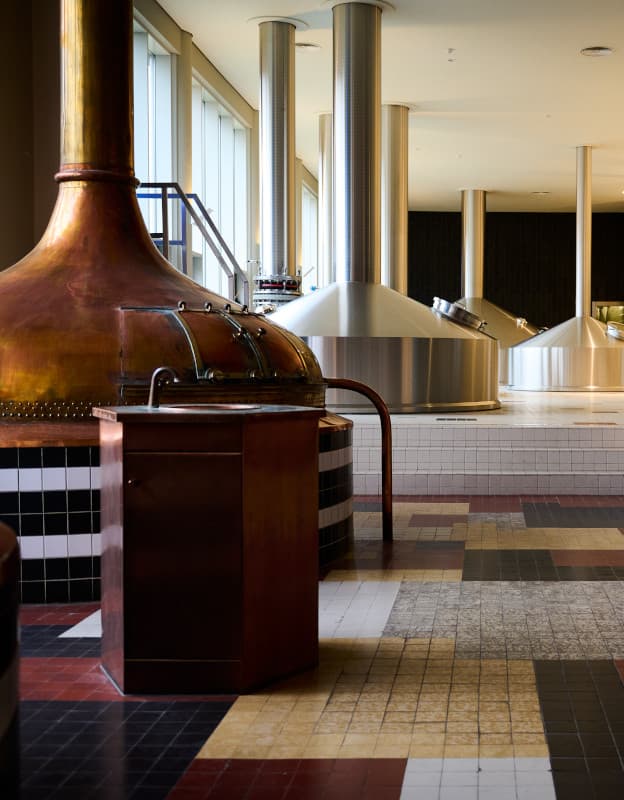
The year 1968 saw the addition of the brewery’s own water purification plant, long before it became a legal requirement. The abbey regularly invested in updates to the brewing hall, laboratory and fermentation rooms, willingly embracing the latest technologies if the quality of the product would be enhanced as a result. What is more, each of these investments not only bears witness to the particular attention that is given to working conditions, but also to the brewery’s respect for the environment. .

Westmalle is a Trappist beer, but what does that actually mean?
‘Trappist’ is a protected designation of origin awarded to beer or other products that fulfil three particular criteria. Our beers must be brewed within the walls of the Trappist abbey. The production and business policy must be supervised by the Trappist monks and the proceeds of the brewery must also be earmarked to meet the needs of the monastic community, to finance solidarity projects within the Trappist order and to support charitable projects.
In Belgium, there are five brands of Trappist beer: Chimay, Orval Rochefort, Westmalle and Westvleteren. You can recognise them from the Authentic Trappist product logo.